
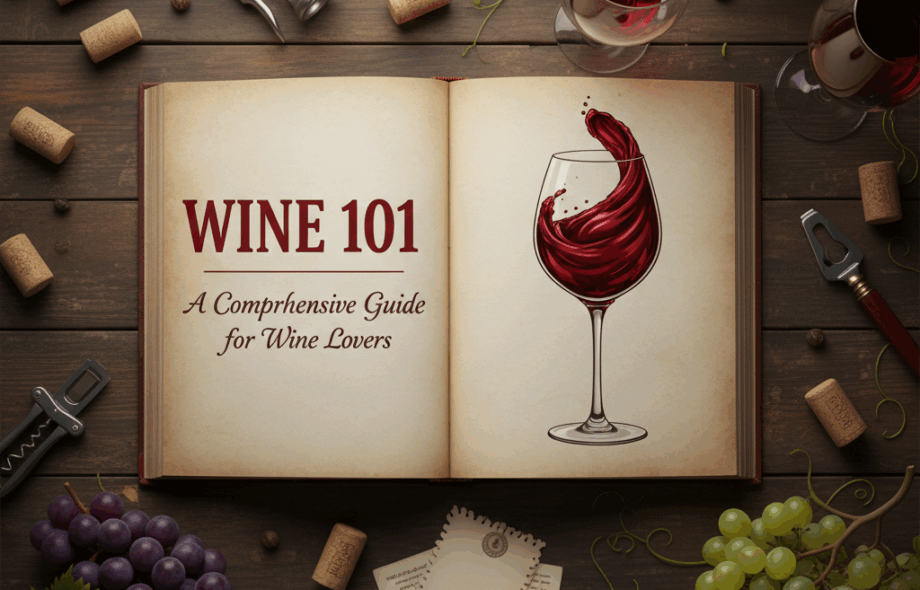
Whether you’re just beginning your wine journey or you’re looking to deepen your knowledge, understanding the basics of wine can elevate your appreciation and enjoyment. From understanding the different types of wine to the art of wine tasting and pairing, this guide will provide you with everything you need to know to confidently navigate the world of wine.
1. Understanding Wine Types: Red, White, Rosé, and Sparkling
Wine comes in many varieties, but it all starts with the grape. The main types of wine include red, white, rosé, and sparkling, each with its unique characteristics.
Red Wine
Red wines are made from dark-colored grape varieties and typically have a deeper, more complex flavor profile. They are often aged in oak barrels, which adds layers of richness and depth. Common red wines include:
- Cabernet Sauvignon: Bold and full-bodied with flavors of dark fruit, such as blackcurrant and plum, often accompanied by hints of vanilla and spice.
- Merlot: Softer and smoother than Cabernet Sauvignon, with flavors of ripe berries, plum, and chocolate.
- Pinot Noir: Lighter and more delicate, with flavors of red berries, earthiness, and sometimes floral notes.
White Wine
White wines are made from green or yellow grapes and tend to be lighter, crisper, and more refreshing than red wines. Some well-known white wines include:
- Chardonnay: Full-bodied, often with a buttery texture, and flavors ranging from green apple and citrus to vanilla and oak.
- Sauvignon Blanc: Crisp and zesty with flavors of citrus, grass, and tropical fruits.
- Riesling: A sweet wine with high acidity, offering flavors of peach, apricot, and honey.
Rosé Wine
Rosé is made from red grape varieties, but unlike red wine, the skins are removed before fermentation, giving it its characteristic pink hue. Rosé can range from dry to sweet and is often lighter and more refreshing. Popular varieties include Grenache, Pinot Noir, and Syrah-based rosés.
Sparkling Wine
Sparkling wines are known for their effervescence, which comes from carbonation. The most famous sparkling wine is Champagne, made in the Champagne region of France. Other sparkling wines include Prosecco, Cava, and sparkling rosé. They’re perfect for celebrations and pair well with a wide range of foods.
2. The Wine-Tasting Process: How to Taste Wine Like a Pro
Wine tasting is an experience that engages all your senses. Here’s a simple guide on how to taste wine properly:
Step 1: Look
Start by observing the color of the wine. Red wines can range from deep purple to ruby red, while white wines can range from pale yellow to golden. The color can tell you a lot about the wine’s age, grape variety, and even its body.
Step 2: Swirl
Gently swirl the wine in your glass to allow it to aerate. This will release the wine’s aromas and make it easier to identify the wine’s bouquet (the smells associated with the wine).
Step 3: Smell
Place your nose near the rim of the glass and inhale deeply. Try to identify the different scents in the wine, such as fruit, floral, earthy, or even oaky aromas. The nose is just as important as the taste when evaluating a wine.
Step 4: Sip
Take a small sip and let the wine linger in your mouth. Pay attention to the wine’s body, acidity, tannins (for red wine), sweetness, and the balance of flavors. Do the flavors evolve as you taste it, or does the wine feel flat?
Step 5: Savor the Finish
After swallowing, the “finish” is the lingering taste that remains in your mouth. A long finish is often a sign of a high-quality wine.
3. Wine Pairing: The Art of Matching Wine with Food
Pairing wine with food is an essential skill that can elevate any meal. Here are a few basic guidelines:
- Red Wine and Red Meat: Full-bodied red wines like Cabernet Sauvignon or Syrah complement the rich flavors of red meats like steak, lamb, or roast beef.
- White Wine and Light Dishes: Light and crisp white wines such as Sauvignon Blanc or Pinot Grigio pair well with lighter dishes like seafood, salads, and chicken.
- Rosé for Versatility: Rosé’s balanced acidity makes it an excellent choice for a wide range of foods, including grilled vegetables, seafood, and even pizza.
- Sparkling Wine and Appetizers: The effervescence of sparkling wine is perfect for cutting through the richness of appetizers like cheese, charcuterie, or fried foods.
4. The Importance of Wine Storage
Proper storage ensures that your wine ages well and maintains its flavor. Here are some essential tips for storing wine:
- Store Wine Upright: This prevents the cork from drying out and keeps the wine in good condition.
- Keep Wine in a Cool, Dark Place: Wine should be stored at a consistent temperature of 50-59°F (10-15°C) and away from light, which can degrade its quality.
- Avoid Temperature Fluctuations: Rapid temperature changes can cause the wine to expand and contract, damaging the cork and allowing air to enter the bottle.
5. How to Read a Wine Label
Understanding wine labels can help you navigate wine lists and bottles more effectively. Key information on a wine label includes:
- Grape Variety: The type of grape used to make the wine (e.g., Chardonnay, Merlot).
- Region: The wine’s origin, which can tell you about its style and flavor (e.g., Bordeaux, Napa Valley).
- Vintage: The year the wine was made, which indicates the harvest year of the grapes.
- Producer: The winery or company that produced the wine.
- Alcohol Content: Typically between 12-15% for most wines.
6. Wine Etiquette: How to Serve and Enjoy Wine
When it comes to wine etiquette, here are a few things to keep in mind:
- Serve Wine at the Right Temperature: Red wines are typically served at 60-65°F (15-18°C), while white wines are best served chilled at 45-50°F (7-10°C).
- Use Proper Glassware: The shape of the glass can influence the wine’s aroma and taste. Red wines are best served in glasses with a larger bowl, while white wines are best served in narrower glasses to preserve their crispness.
- Don’t Overfill the Glass: Fill the glass about one-third full to allow space for swirling and to release the wine’s aroma.
Conclusion
Wine is an incredibly diverse and enjoyable beverage, with something to offer everyone, from casual drinkers to wine aficionados. By understanding the basics of wine types, tasting techniques, and food pairings, you can deepen your appreciation for this timeless drink. Remember, wine is meant to be savored, shared, and enjoyed, so take your time exploring the wonderful world of wine.
📥 Download Vinora – Your Companion in the World of Wine
📱 iOS:
https://apps.apple.com/in/app/vinora/id6744821564
📱 Android:
https://play.google.com/store/apps/details?id=com.vinora&hl=en_US
📸 Follow Us for Updates
Instagram:
https://www.instagram.com/vinora_official/
 :
https://in.pinterest.com/vinora_official/
:
https://in.pinterest.com/vinora_official/