


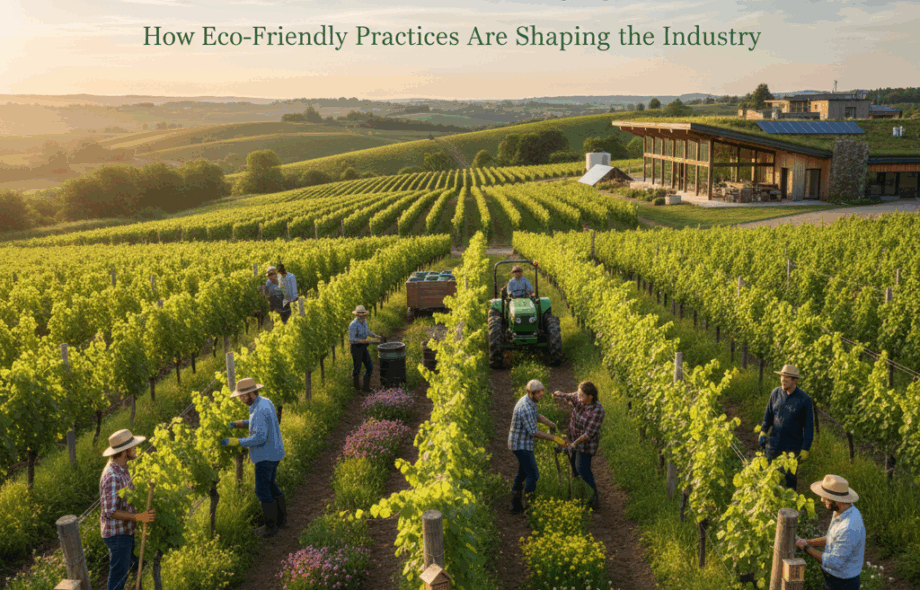
The wine industry, like many others, is undergoing a transformation. As concerns about climate change, environmental degradation, and resource conservation rise, wine producers around the world are adopting more sustainable and eco-friendly practices. From the vineyards to the glass, sustainability is becoming a key focus in winemaking. In this blog, we’ll explore how eco-friendly practices are reshaping the wine industry and why sustainability is not just a trend but a necessity for the future of winemaking.
1. What Is Sustainable Wine?
Sustainable wine refers to wine that is produced using practices that are not only environmentally responsible but also economically viable and socially beneficial. Sustainability in winemaking covers a broad range of practices, including reducing environmental impact, conserving resources, and ensuring fair labor practices for workers in the vineyard and winery.
Sustainable practices focus on three main pillars:
- Environmental Sustainability: Minimizing the impact of winemaking on the environment.
- Economic Sustainability: Ensuring that winemaking is financially viable for future generations.
- Social Sustainability: Supporting the well-being of workers and communities involved in winemaking.
2. Eco-Friendly Practices in the Vineyard
The vineyard is where the journey of sustainable wine begins. Sustainable wine producers take extra care in managing their land and minimizing their environmental impact. Here are some key practices used in eco-friendly vineyards:
Organic and Biodynamic Farming
- Organic farming eliminates the use of synthetic pesticides, herbicides, and fertilizers. Instead, organic vineyards focus on using natural methods to manage pests and enrich the soil, such as crop rotation, composting, and using beneficial insects.
- Biodynamic farming goes even further, considering the entire vineyard as an ecosystem and integrating cosmic rhythms (lunar cycles, etc.) into farming practices. Biodynamic winemakers use organic methods but also incorporate preparations from natural substances like herbs, minerals, and manure to enhance soil fertility and plant health.
Water Conservation
Water is a vital resource in winemaking, and many wineries are investing in technology and techniques to minimize water usage in the vineyard. Practices like drip irrigation, which delivers water directly to the plant’s roots, and the use of rainwater harvesting systems are reducing the need for excessive water use. This not only helps preserve water resources but also ensures the plants receive optimal hydration for quality grapes.
Cover Cropping and Soil Health
Maintaining healthy soil is crucial for sustainable vineyards. Cover cropping involves planting certain plants between vine rows to prevent soil erosion, enhance biodiversity, and fix nitrogen in the soil. It also reduces the need for chemical fertilizers, which can leach into surrounding ecosystems. Healthy soils also promote better vine health and grape quality.
Reduced Use of Chemicals
In a bid to protect the environment and improve the health of the ecosystem, many sustainable vineyards are reducing their use of chemicals. By opting for integrated pest management (IPM), which uses natural predators and biological controls, and only applying chemicals when absolutely necessary, wineries can protect their grapes without harming the surrounding environment.
3. Eco-Friendly Practices in the Winery
The commitment to sustainability doesn’t end once the grapes are harvested. In fact, wineries are adopting a range of practices to ensure that every aspect of the winemaking process is environmentally friendly.
Energy Efficiency
Many wineries are focusing on reducing their energy consumption through the use of solar panels, wind energy, and energy-efficient equipment. By shifting to renewable energy sources, wineries are significantly lowering their carbon footprint. Some wineries even go so far as to build energy-efficient buildings that reduce energy demand through clever design, insulation, and passive solar heating.
Waste Reduction and Recycling
The winemaking process generates a lot of waste, from grape pomace (the leftover skins and seeds) to packaging materials. Sustainable wineries focus on minimizing waste and recycling materials whenever possible:
- Grape pomace can be composted, turned into animal feed, or even used in making eco-friendly wine barrels.
- Recycling glass and cardboard helps minimize waste and reduce the need for new raw materials.
- Water recycling in the winery allows for reusing water for cleaning, reducing the demand on local water supplies.
Minimal Intervention Winemaking
In sustainable winemaking, many producers embrace the philosophy of “minimal intervention.” This means that winemakers strive to allow the natural expression of the grapes and terroir (the unique characteristics of the land). This approach can involve less use of additives like sulfites, ensuring that the wine is as pure as possible. Additionally, low-intervention winemaking reduces energy use and resource consumption since there is less need for intensive equipment and processing.
4. Sustainable Packaging
Wine packaging is another area where sustainability is making a huge impact. Traditional wine bottles are made from heavy glass, which is resource-intensive to produce and transport. Sustainable wineries are adopting eco-friendly packaging alternatives to reduce their environmental impact:
- Lightweight Glass Bottles: Many producers are switching to lighter glass bottles, reducing the amount of material used and making shipping more energy-efficient.
- Alternative Materials: Some wineries are experimenting with materials like cardboard or Tetra Pak for packaging wine. These materials are more lightweight and have a lower carbon footprint compared to traditional glass bottles.
- Sustainable Labels and Corks: Labels made from recycled paper, biodegradable corks, and other sustainable materials are becoming common in eco-friendly wines.
5. The Rise of Certifications and Green Labels
To help consumers identify wines that are produced sustainably, several certification programs and eco-labels have been introduced. These certifications ensure that the wine meets specific environmental and social criteria. Some of the most recognized certifications include:
- Certified Organic: Wines made with 100% organic grapes, without synthetic pesticides, herbicides, or fertilizers.
- Biodynamic Certification: A certification for wines produced using biodynamic farming methods.
- Fair Trade Wine: Wine produced in fair labor conditions, ensuring that workers are paid fairly and treated ethically.
- Sustainable Winegrowing Certification: This certification indicates that the winery follows sustainable practices across both vineyard and winery operations.
These certifications not only help winemakers gain recognition for their efforts but also help consumers make more informed choices when purchasing wine.
6. The Future of Sustainable Wines
As awareness of environmental issues continues to grow, the wine industry is embracing sustainability at an increasing pace. Whether it’s through adopting organic or biodynamic practices, reducing waste and carbon emissions, or focusing on eco-friendly packaging, sustainability is shaping the future of the wine industry.
Consumers, too, are becoming more conscious of the environmental impact of their purchases. As a result, sustainable wines are gaining popularity, and more wineries are adopting eco-friendly practices to meet the demand for wines that align with consumer values. With the growing emphasis on sustainability, the future of wine looks greener, cleaner, and more responsible.
7. Why Choose Sustainable Wine?
Choosing sustainable wine goes beyond just taste-it’s a decision that supports the environment, workers, and the future of the wine industry. By supporting wineries that adopt sustainable practices, you are helping to promote better environmental stewardship, fair labor practices, and a healthier planet. And of course, many sustainable wines are of exceptional quality, offering unique flavors and profiles that reflect the natural beauty of their terroir.
Next time you uncork a bottle, consider making a choice that aligns with both your palate and your values. Sustainable wines are an investment in the future, ensuring that we can continue to enjoy fine wines for generations to come.
📥 Download Vinora – Your Companion in the World of Wine
📱 iOS:
https://apps.apple.com/in/app/vinora/id6744821564
📱 Android:
https://play.google.com/store/apps/details?id=com.vinora&hl=en_US
📸 Follow Us for Updates
Instagram:
https://www.instagram.com/vinora_official/
 :
https://in.pinterest.com/vinora_official/
:
https://in.pinterest.com/vinora_official/