

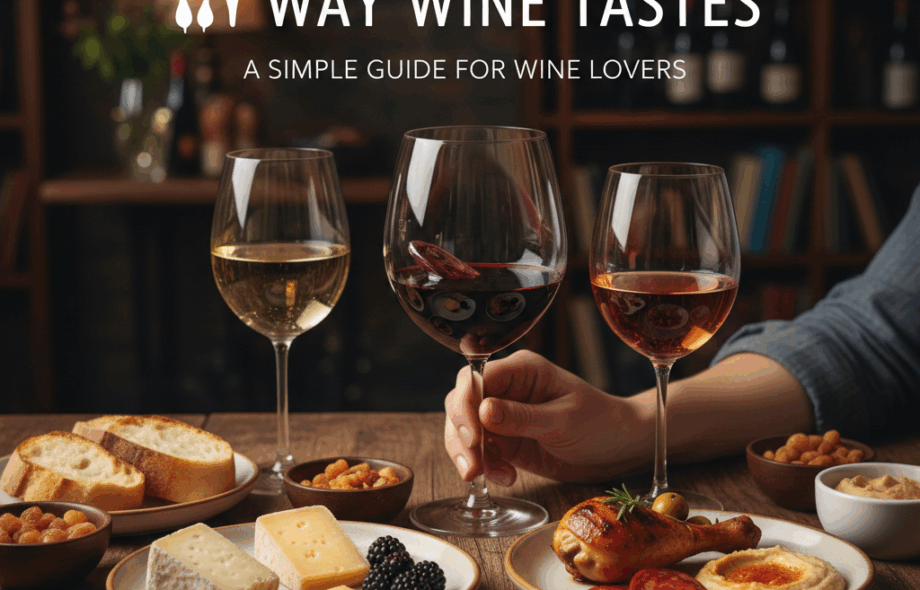
Have you ever noticed that a wine tastes amazing on its own but feels different when you drink it with food? Or that a simple meal suddenly tastes better with the right wine? This happens because food and wine interact in ways many people do not realize. Understanding this interaction helps you enjoy wine more and choose it with confidence-without memorizing complicated rules.
This guide explains how food changes the way wine tastes and how you can use this knowledge in everyday life.
Wine and Food Are Meant to Be Together
Wine has been enjoyed with food for centuries. Food can soften certain flavors in wine, highlight others, and sometimes completely change how a wine feels. This is normal and part of the experience.
Wine does not exist in isolation. When you drink wine with food, your taste buds react to both at the same time, creating a combined experience.
How Sweetness in Food Affects Wine
Sweet foods can make wine taste less sweet and more sharp. If a wine already feels dry, sweet food may make it feel even drier.
This is why very sweet desserts can make dry wines feel unbalanced. Understanding this interaction helps you choose wines that feel comfortable with sweet dishes.
Acidity in Food and Wine
Acidity is one of the most important elements in both food and wine. Foods with acidity-such as dishes with lemon, tomatoes, or vinegar-can make wine feel smoother and fresher.
Wines with good acidity often work well with food because they balance richness and refresh the palate.
Fat and Richness Soften Wine
Rich or fatty foods can soften strong flavors in wine. Creamy sauces, cheese, or rich dishes often make bold wines feel smoother and more balanced.
This is why heavier wines often feel more enjoyable with richer meals than on their own.
Salt and Its Effect on Wine
Salt has a unique effect on wine. It can reduce bitterness and make wine feel smoother and more flavorful. This is one reason wine pairs so well with many savory dishes.
You may notice that wine tastes more pleasant with lightly salted food than without food at all.
Spicy Food and Wine Interaction
Spicy food can intensify alcohol and heat in wine. Some wines may feel stronger or more intense with spicy dishes.
Choosing wines that feel fresh and balanced often helps keep the experience enjoyable.
Why the Same Wine Tastes Different at Dinner
When people say a wine tasted better at dinner than when tasted alone, they are usually right. Food changes perception by balancing flavors and textures.
This is why wine does not need to impress on its own-it needs to work well with food.
You Do Not Need Perfect Pairing Rules
Many people feel pressure to follow strict wine-and-food rules. In reality, balance matters more than rules. If the combination tastes good to you, it works.
Personal enjoyment always comes first.
Everyday Meals and Wine
Wine does not need special meals. Simple food can make wine feel better, and wine can make simple meals feel more enjoyable.
Understanding basic interactions helps you enjoy wine with everyday cooking.
Learning Through Experience
The best way to understand food and wine interaction is through experience. Pay attention to how wine changes with different foods. Over time, patterns become clear.
This learning happens naturally, without effort.
Removing Pressure from Pairing
Food and wine pairing should feel fun, not stressful. There are no failures-only discoveries.
Relaxed choices create better experiences.
Conclusion
Food changes the way wine tastes by affecting sweetness, acidity, richness, salt, and spice. Understanding these simple interactions helps you enjoy wine more confidently.
You do not need expert rules to enjoy wine with food. When you trust your taste and stay curious, every meal becomes an opportunity to enjoy wine more fully and comfortably.
📥 Download Vinora – Your Companion in the World of Wine
📱 iOS: Vinora on iOS
📱 Android: Vinora on Android
📸 Follow Us for Updates
Instagram: @vinora_official
 :
https://uk.pinterest.com/vinora_official/
:
https://uk.pinterest.com/vinora_official/