

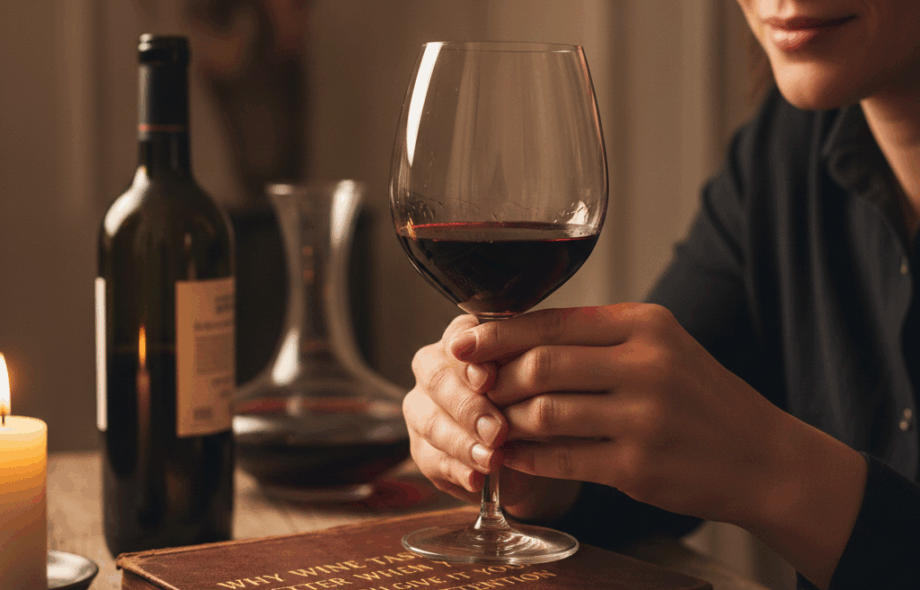
In a world full of constant noise, distractions, and multitasking, it is becoming harder to give anything our full attention-and wine is no exception. Many people drink wine while scrolling on their phones, watching television, or thinking about the next task. Later, they wonder why the wine felt forgettable. The answer is simple: attention changes experience.
When wine is given full attention, it often tastes better, feels more satisfying, and becomes more memorable.
Attention Is the Gateway to Enjoyment
Taste is not only physical; it is psychological. What you notice depends on where your attention is. When attention is divided, sensory experience weakens.
Wine enjoyed absent-mindedly often feels flat because the brain is not fully engaged. When attention is present, flavours feel clearer and texture becomes more noticeable.
Why Multitasking Reduces Taste
Multitasking pulls attention away from the senses. Watching screens, responding to messages, or rushing through tasks keeps the brain busy.
In this state, wine becomes background activity rather than an experience. Even excellent wine can feel unremarkable when attention is elsewhere.
Slowing Down Creates Space for Awareness
Giving wine attention does not require effort or analysis. It simply means slowing down slightly.
Sitting comfortably, pausing before the first sip, or taking a moment between sips allows awareness to settle. This small change can transform enjoyment.
The First Sip Sets the Tone
The first sip is often rushed. Many people drink without noticing how the wine feels at the beginning.
Taking a moment with the first sip helps the palate adjust and signals that this experience matters. Enjoyment often increases from this single pause.
Wine Changes Over Time in the Glass
Wine evolves as it sits in the glass. Aromas open, flavours soften, and texture shifts. When attention is present, these changes become part of the experience.
Without attention, these details are missed, and the wine feels static rather than alive.
Attention Improves Satisfaction, Not Just Flavour
Full attention does more than improve taste-it improves satisfaction. When you are present, one glass often feels enough.
Enjoyment becomes deeper rather than longer. This supports a healthier, more mindful relationship with wine.
Why Quiet Moments Enhance Wine
Quiet environments naturally support attention. Without constant noise or interruption, the senses can respond more freely.
This is why wine often feels better during calm evenings or unhurried meals. Silence is not required-just reduced distraction.
Letting Go of Analysis
Attention does not mean analysis. You do not need to identify flavours or judge quality.
Simply noticing how the wine feels is enough. Attention without judgement keeps enjoyment light and relaxed.
Wine as a Pause, Not a Habit
When attention is present, wine becomes a pause in the day rather than a habit within it.
This shift gives wine meaning without adding importance. It becomes a moment, not a routine.
Practising Attention Without Effort
You do not need to change how often you drink wine to practise attention. Simply choosing one glass to enjoy mindfully is enough.
This practice builds naturally and comfortably over time.
Attention and Emotional Connection
Attention strengthens emotional connection. Wine enjoyed with presence often feels more comforting and satisfying.
This connection explains why some wine moments stay in memory long after the bottle is finished.
Removing Expectations Improves Attention
High expectations often distract attention. When you expect wine to impress, you judge rather than experience.
Letting go of expectation allows attention to remain open and receptive.
Making Attention a Gentle Choice
Attention should never feel forced. It is a gentle choice to be present, not a task to complete.
When attention flows naturally, enjoyment follows.
Conclusion
Wine tastes better when you give it your full attention because enjoyment depends on presence. When distractions fade and awareness increases, wine becomes richer, more satisfying, and more meaningful.
You do not need better wine to enjoy wine more. You simply need to be there for it. When attention leads the experience, every glass has the potential to feel complete and rewarding.
📥 Download Vinora – Your Companion in the World of Wine
📱 iOS: Vinora on iOS
📱 Android: Vinora on Android
📸 Follow Us for Updates
Instagram: @vinora_official
 :
https://uk.pinterest.com/vinora_official/
:
https://uk.pinterest.com/vinora_official/