

For many wine drinkers across the UK and around the world, tasting notes can feel more intimidating than helpful. Labels and reviews often describe wine using poetic or technical language that sounds impressive but doesn’t always explain what the wine actually tastes like. Phrases such as “earthy undertones,” “structured tannins,” or “a lingering finish” may leave people wondering whether they will enjoy the wine-or whether they’re expected to understand something they don’t.
The truth is simple: wine tasting notes are meant to guide enjoyment, not create confusion. Platforms like Vinora, powered by artificial intelligence, are redefining how tasting notes work-turning them into clear, useful insights that help people choose wine with confidence.
What Wine Tasting Notes Are Supposed to Do
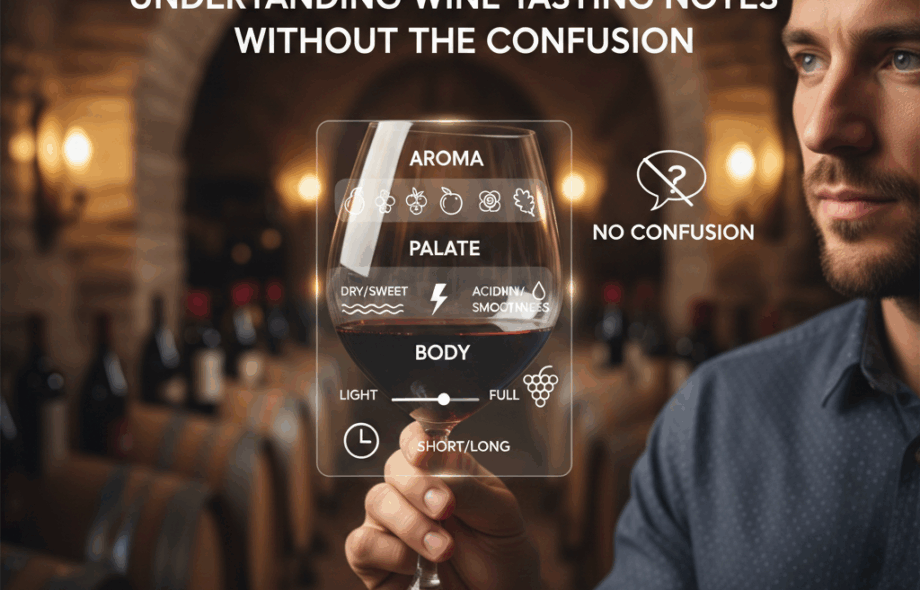
At their best, tasting notes should help drinkers understand three basic things:
- What the wine smells like
- What it tastes like
- How it feels in the mouth
They are not meant to test knowledge or exclude beginners. Yet traditional wine language often assumes prior experience, which can alienate casual drinkers.
In the UK and global wine market, where people enjoy wine socially rather than formally, this gap is becoming more noticeable. People want guidance they can actually use.
Why Traditional Wine Language Feels Intimidating
There are a few key reasons tasting notes often confuse people:
- Overly technical vocabulary
- Abstract flavour references
- Inconsistent terminology between regions
- Assumption of expert-level knowledge
For example, two wines might both be described as “complex,” yet taste completely different. Without context, these words lose meaning.
This is where AI-based interpretation changes everything.
How Vinora Simplifies Wine Tasting Notes
Vinora uses artificial intelligence to translate traditional wine terminology into clear, relatable descriptions. The goal is not to remove detail, but to make detail understandable.
Instead of complex jargon, Vinora focuses on:
- Everyday flavour comparisons
- Sensory experiences people recognise
- Plain language explanations
- Personal relevance
Examples of Simplified Wine Descriptions
Traditional note → Vinora-style explanation:
- “High acidity” → Fresh and mouth-watering
- “Tannic structure” → Dry or gripping feeling on your tongue
- “Notes of stone fruit” → Flavours like peach or apricot
- “Long finish” → The flavour stays after you swallow
These explanations help users connect language to experience, rather than memorising definitions.
The Role of AI in Personalising Tasting Notes
One of the most powerful aspects of Vinora is that tasting notes become personal over time.
AI learns from:
- Wines you enjoy
- Wines you dislike
- Flavour profiles you respond to
- Your ratings and reviews
This means tasting notes gradually adapt to your preferences. If you tend to enjoy smooth, lighter wines, Vinora highlights qualities that matter to you. If you prefer bold, intense flavours, the language shifts accordingly.
This personalisation makes tasting notes useful rather than generic.
Helping Beginners and Experienced Drinkers Alike
Clear tasting notes are not just for beginners. Even experienced wine drinkers benefit from simpler language when choosing wine casually.
Vinora supports:
- New wine drinkers learning the basics
- Casual drinkers who want stress-free choices
- Enthusiasts exploring new regions
- Confident buyers looking to refine their taste
By removing unnecessary complexity, Vinora allows users to focus on enjoyment.
Learning Wine Naturally, Without Studying
One of the biggest advantages of simplified tasting notes is that learning happens naturally.
Users don’t need to:
- Read wine textbooks
- Memorise flavour wheels
- Understand technical chemistry
Instead, they learn by:
- Reading clear descriptions
- Tasting and reflecting
- Writing short personal notes
- Comparing wines over time
This approach aligns perfectly with modern wine culture, especially in the UK and Europe, where wine is part of everyday life rather than formal ritual.
Why Writing Your Own Tasting Notes Matters
Vinora encourages users to add their own impressions, even if they are simple.
Examples:
- “Easy to drink”
- “Too strong for me”
- “Nice with food”
- “Would buy again”
These short notes are valuable. AI uses them to improve future recommendations, and users benefit by building awareness of their own taste.
Over time, patterns emerge, and confidence grows.
Removing the Fear of “Getting It Wrong”
Many people avoid exploring wine because they worry about misunderstanding it. Simplified tasting notes remove this fear.
Vinora reinforces that:
- There is no wrong way to describe a wine
- Personal taste is valid
- Enjoyment is the goal
This judgement-free approach encourages exploration and long-term engagement.
Why Clear Tasting Notes Improve Wine Enjoyment
When people understand what they’re drinking, they enjoy it more. Clear tasting notes help users:
- Choose wine with confidence
- Discover new styles safely
- Understand why they like certain wines
- Build a personal wine identity
This transforms wine from an occasional purchase into an enjoyable journey.
Tasting Notes That Work for Real Life
Wine doesn’t need complicated language to be meaningful. It needs clarity, relevance, and personal connection.
Vinora uses AI to ensure tasting notes work for real people, real occasions, and real enjoyment-whether it’s a quiet night at home, a dinner with friends, or choosing a gift.
By removing confusion and replacing it with understanding, Vinora helps wine drinkers across the UK and globally feel confident, curious, and comfortable with every glass.
📥 Download Vinora – Your Companion in the World of Wine
📱 iOS: Vinora on iOS
📱 Android: Vinora on Android
📸 Follow Us for Updates
Instagram: @vinora_official
 :
https://in.pinterest.com/vinora_official/
:
https://in.pinterest.com/vinora_official/