

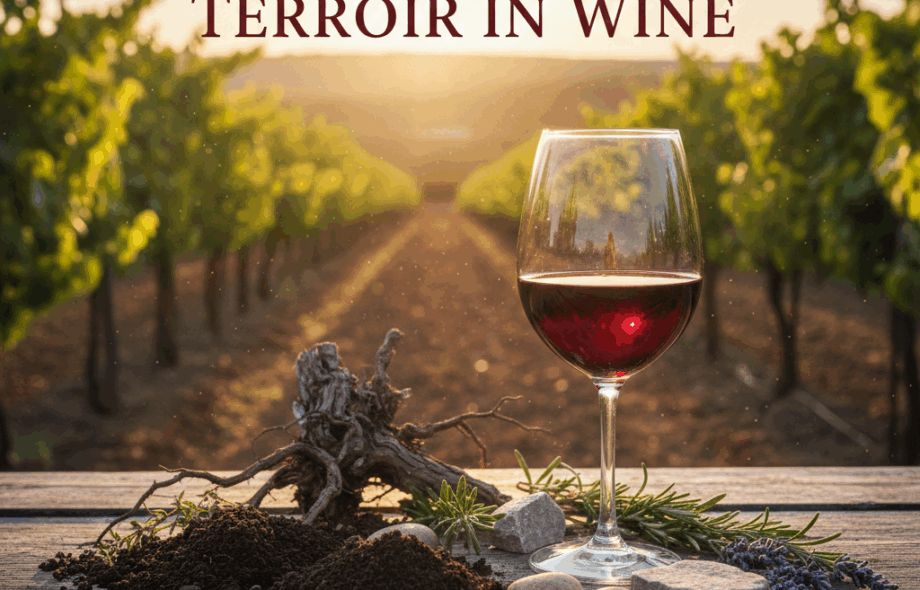
Terroir is a term often used in the wine world to describe how geography, climate, and soil influence a wine’s character. It reflects the unique environment where grapes are grown, shaping their flavor, aroma, acidity, and structure. Terroir plays a major role in distinguishing wines from different regions.
Soil composition affects how vines absorb nutrients and water. Limestone soils often produce wines with bright acidity, while volcanic soils contribute to minerality and richness. Climate determines ripening speed and flavor development. Cool climates tend to create wines with higher acidity and fresher flavors, while warm climates lead to richer, fruit-driven wines.
Topography, such as elevation and slope, affects sunlight exposure and drainage. Higher altitudes produce grapes with greater acidity and concentration. These natural factors combine to make each vineyard unique, even if they grow the same grape variety.
Understanding terroir helps wine drinkers appreciate why wines from different regions taste distinct. It adds depth to the wine experience, connecting flavor with the land it came from. Vinora helps users explore wines based on terroir, offering deeper insight into regional characteristics.
Download Vinora – Your Companion in the World of Wine
iOS: https://apps.apple.com/in/app/vinora/id6744821564
Android: https://play.google.com/store/apps/details?id=com.vinora&hl=en_US
Follow Us for Updates
Instagram: https://www.instagram.com/vinora_official/
 :
https://in.pinterest.com/vinora_official/
:
https://in.pinterest.com/vinora_official/