

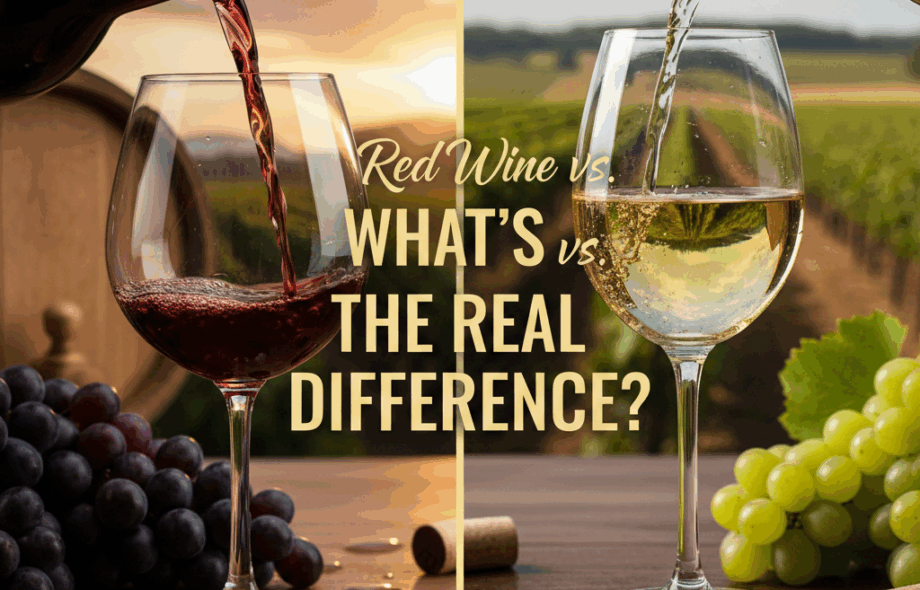
Red and white wines differ in more ways than just color. The primary distinction lies in how they are made. Red wines ferment with grape skins, seeds, and sometimes stems, adding tannins and deeper flavors. White wines typically ferment without skins, resulting in lighter, fresher profiles.
Red wines such as Merlot, Cabernet Sauvignon, and Syrah tend to have rich, bold flavors with notes of berries, spices, and chocolate. They pair beautifully with hearty dishes like red meat, pasta, and aged cheese. Their higher tannin levels contribute to structure and aging potential.
White wines like Chardonnay, Riesling, and Sauvignon Blanc are known for their crisp acidity and refreshing aromas. From citrusy and bright to creamy and oaked, white wines offer a variety of styles. They pair well with seafood, salads, poultry, and light vegetarian dishes.
Temperature also plays a key role. Reds are best enjoyed slightly below room temperature, while whites taste best when chilled. Understanding these basics helps you make smarter decisions when choosing wines for different occasions.
Vinora enhances this experience by allowing you to scan any bottle and instantly understand its type, flavor notes, and food pairings. Whether you’re selecting a fruity white for a summer evening or a deep red for a festive dinner, Vinora simplifies your choice.
Ultimately, the difference between red and white wine is not about superiority—it’s about preference. Both offer unique experiences, stories, and flavors. Exploring both styles helps you discover what suits your palate and occasions best. Enjoy the journey as you uncover the world of wine—one glass at a time.
📥 Download Vinora – Your Companion in the World of Wine
📱 iOS: Vinora on iOS
📱 Android: Vinora on Android
📸 Follow Us for Updates
Instagram: @vinora_official
 :
https://in.pinterest.com/vinora_official/
:
https://in.pinterest.com/vinora_official/