

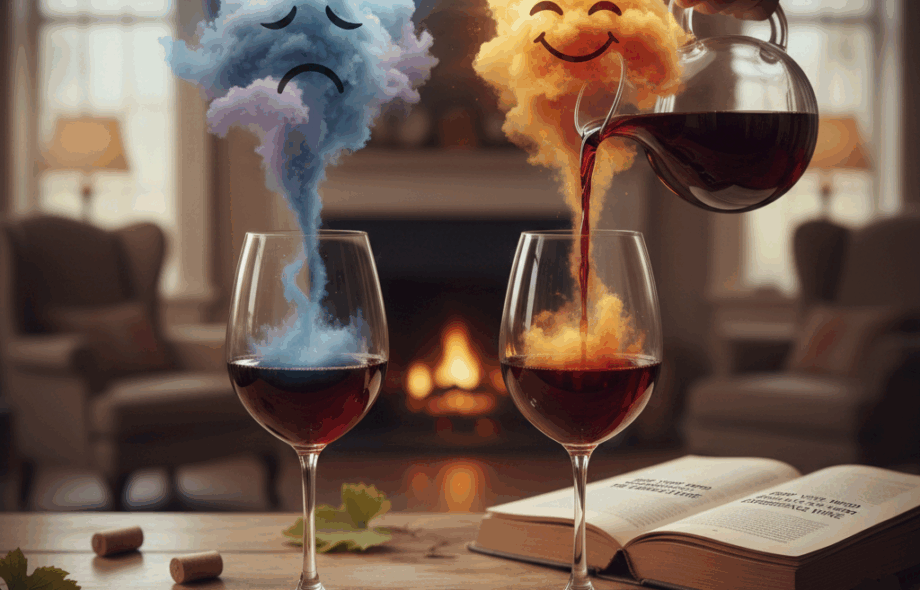
Have you ever noticed that a wine you enjoy one day feels completely different on another? The bottle is the same, the glass is the same, yet the experience changes. This often leads people to question the wine itself. In most cases, however, the change has very little to do with the wine and everything to do with mood.
Mood plays a powerful role in how wine is perceived, enjoyed, and remembered. Understanding this connection helps remove confusion and allows wine to be enjoyed more naturally.
Wine Is Experienced Through the Mind as Well as the Senses
Wine is not just tasted with the tongue. It is experienced through the mind, emotions, and overall state of being. When you are relaxed, open, and calm, your senses are more receptive. When you are stressed, tired, or distracted, those same senses become less sensitive.
This means the same wine can feel smooth and comforting one day, and flat or uninteresting the next, simply because your mood has changed.
Stress and Its Effect on Wine Enjoyment
Stress narrows attention. When your mind is busy, it is harder to notice subtle sensations. Wine enjoyed during stressful moments is often consumed quickly, without much awareness.
In these situations, wine may feel less enjoyable-not because it is poor quality, but because your mind is elsewhere. Stress prevents you from fully experiencing flavour, texture, and balance.
Relaxation Allows Wine to Open Up
When you are relaxed, wine often feels more expressive. You notice aromas more easily, flavours feel clearer, and the experience lasts longer.
Relaxation creates space for enjoyment. This is why wine often tastes better during holidays, quiet evenings, or moments of rest. The wine itself has not changed; your openness has.
Tiredness Changes Perception
Fatigue affects taste more than many people realise. When you are tired, your senses become duller. Wine may taste heavier, sharper, or less appealing.
This is one reason why some wines feel overwhelming at the end of a long day but enjoyable during a relaxed meal. Timing matters, not just choice.
Happiness and Emotional Openness
Positive emotions enhance sensory experience. When you feel content or happy, wine often feels brighter and more enjoyable. Emotional openness allows pleasure to flow more freely.
Wine shared during happy moments often becomes memorable-not because it was exceptional, but because it was enjoyed in the right emotional state.
Why Wine Feels Different in Social Settings
Social settings influence mood strongly. Wine enjoyed with people you feel comfortable with often tastes better because you are relaxed and engaged.
On the other hand, wine enjoyed in uncomfortable company or tense situations may feel less enjoyable, regardless of its quality. Social comfort shapes emotional response.
The Role of Expectation and Mood
Mood also shapes expectation. When you expect a wine to comfort you, it often does. When you approach wine critically or anxiously, enjoyment decreases.
Expectation is closely linked to mood. A relaxed mindset encourages positive expectation, while tension encourages judgement.
Choosing Wine Based on Mood
Many people choose wine based on habit or occasion, but mood can be an equally helpful guide. Light, fresh wines often suit tired or quiet moments. Richer wines may feel better when you want comfort or focus.
Listening to your mood allows wine to support the moment rather than clash with it.
Removing Self-Judgement
Some people judge themselves when a wine does not feel enjoyable. They assume they chose poorly or lack understanding. In reality, mood may simply not match the wine.
Removing self-judgement makes wine enjoyment easier and more forgiving.
Wine Does Not Need to Impress Every Time
Not every glass of wine needs to be memorable. Some wines simply support the moment quietly. Accepting this removes pressure.
Wine is allowed to feel different on different days.
Becoming More Aware Without Overthinking
Awareness of mood does not require analysis. Simply noticing how you feel before and during a glass of wine is enough.
This awareness improves enjoyment without adding complexity.
A Healthier Relationship with Wine
Understanding the connection between mood and wine helps create a healthier relationship. Wine becomes a response to feeling rather than a routine or escape.
This approach supports balance and intention.
Conclusion
Wine is deeply influenced by mood. Stress, relaxation, tiredness, happiness, and social comfort all shape how wine is experienced. The wine itself rarely changes-but the person drinking it does.
By recognising the role of mood, wine enjoyment becomes more forgiving and more personal. Instead of searching for the perfect bottle, you begin to appreciate the right moment. When wine matches your mood, it naturally feels more enjoyable, comforting, and meaningful.
📥 Download Vinora – Your Companion in the World of Wine
📱 iOS: Vinora on iOS
📱 Android: Vinora on Android
📸 Follow Us for Updates
Instagram: @vinora_official
 :
https://in.pinterest.com/vinora_official/
:
https://in.pinterest.com/vinora_official/