
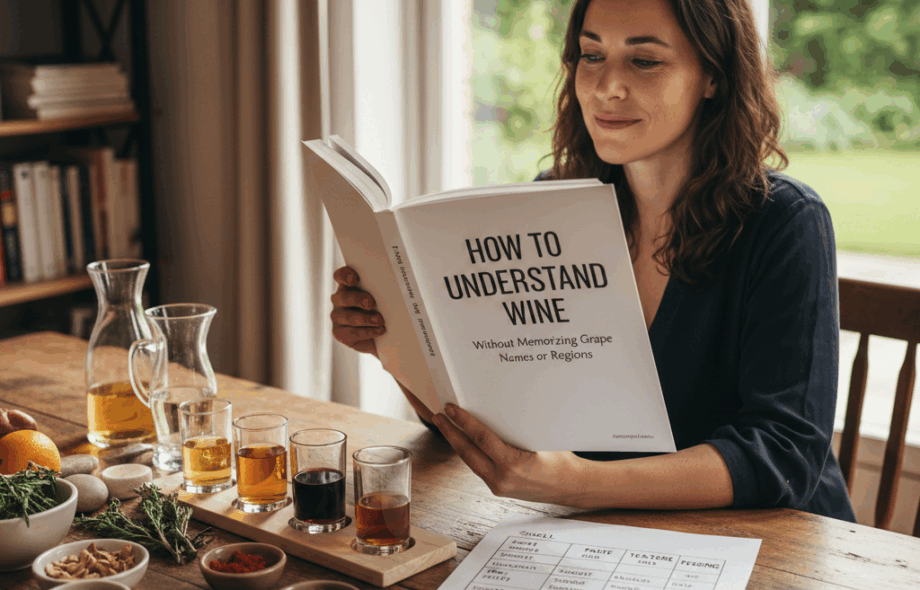
For many people, wine feels complicated because of one simple reason-information overload. Grape names, regions, appellations, and production terms often make wine seem like a subject you must study before enjoying. This belief stops many people from exploring wine freely. The truth is, you can understand and enjoy wine deeply without memorising grape varieties or learning geography.
Wine understanding is about experience, not memory. This guide explains how to understand wine naturally, using simple awareness rather than facts.
Why Wine Knowledge Feels Overwhelming
Wine education is often presented in a technical way. Long lists of grapes, regions, and rules make people feel that wine is only for experts. This creates unnecessary distance between wine and enjoyment.
Most people do not enjoy food by memorising ingredients or origins. Wine should be treated the same way-as an experience, not a test.
Experience Comes Before Information
The most important thing you can learn about wine is how it feels to you. Whether a wine is made from one grape or another matters less than whether you enjoy it.
Experience builds understanding faster than information. Each glass you drink teaches your palate something-even if you are not consciously analysing it.
Focus on How Wine Feels, Not What It’s Called
Instead of remembering grape names, notice simple sensations:
- Does the wine feel light or heavy?
- Is it refreshing or comforting?
- Does it feel smooth, sharp, or soft?
These impressions help you understand your taste far better than technical details.
Using Broad Categories Instead of Details
You can understand wine using broad ideas rather than specifics. Think in terms of:
- Light vs bold
- Dry vs slightly sweet
- Fresh vs rich
These categories are enough to guide good choices. Over time, patterns appear naturally.
Letting Go of the Need to Explain
Many people feel pressure to explain why they like a wine. You do not need reasons. “I enjoy this” is enough.
Wine understanding does not require explanation. Enjoyment itself is understanding.
Why Regions and Grapes Can Come Later
Learning grape names or regions can be interesting, but it should come after enjoyment-not before. When curiosity grows naturally, learning feels fun rather than forced.
Starting with enjoyment keeps wine approachable and personal.
Learning Through Repetition
Drinking wines you enjoy repeatedly builds familiarity. Familiarity builds understanding. Over time, you notice similarities and differences without trying.
This natural learning is more lasting than memorisation.
Understanding Wine Through Mood and Moment
Wine understanding is also about context. Some wines feel better in certain moods or moments. Recognising this connection deepens understanding without knowledge.
Wine is part of life, not a category to memorise.
Avoiding Comparison with Others
Comparing your wine knowledge with others often creates doubt. Everyone learns differently. Some people enjoy facts, others enjoy feelings.
Your way of understanding wine is valid.
Confidence Without Knowledge
Confidence does not come from knowing names. It comes from trusting your experience. When you trust your palate, choices become easier and enjoyment increases.
Wine becomes comfortable rather than intimidating.
Making Wine Personal Again
Wine originally existed to be enjoyed, not studied. Returning to this idea helps remove pressure and restore pleasure.
Understanding wine is about connection, not correctness.
Conclusion
You do not need to memorise grape names or regions to understand wine. Real understanding comes from experience, attention, and enjoyment.
When you focus on how wine feels rather than what it is called, wine becomes simpler and more personal. Every glass becomes an opportunity to enjoy, learn, and relax-without pressure or memorisation.
📥 Download Vinora – Your Companion in the World of Wine
📱 iOS: Vinora on iOS
📱 Android: Vinora on Android
📸 Follow Us for Updates
Instagram: @vinora_official
 :
https://in.pinterest.com/vinora_official/
:
https://in.pinterest.com/vinora_official/