

When people think about wine choices, they often believe those decisions are driven by taste alone. In reality, routine plays a much bigger role than most realise. The time of day, the way meals are planned, shopping habits, and even emotional rhythms quietly influence which wines we choose and how often we choose them.
Understanding how routine shapes wine choices can help you enjoy wine more consciously and with greater satisfaction.
The Power of Habit in Everyday Decisions
Human beings rely on routine to make daily life easier. Habits reduce decision-making and create comfort. Wine is no exception. Many people buy the same bottle repeatedly because it feels familiar and safe.
There is nothing wrong with this. Familiarity often leads to enjoyment. However, when routine takes over completely, wine choices can become automatic rather than intentional.
Why Familiar Wines Feel Reassuring
Familiar wines remove uncertainty. You know how they will taste, how they make you feel, and when they fit into your routine. This predictability can be comforting, especially after busy or stressful days.
Wine often becomes part of a winding-down ritual. The bottle chosen is not just about taste, but about how it fits emotionally into that moment.
How Shopping Habits Influence Choice
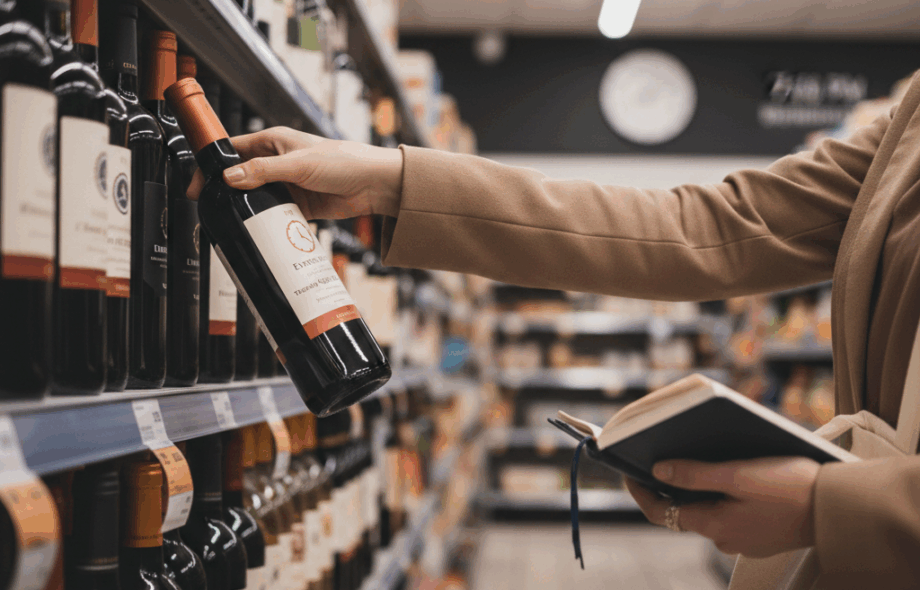
Where and how you buy wine shapes what you drink. Supermarket layouts, online recommendations, and past purchases all guide decisions without much conscious thought.
Often, people reach for the same shelf or brand simply because it is familiar. Over time, this habit reinforces itself and limits exploration without intention.
Routine Can Narrow Curiosity
While routine creates comfort, it can quietly reduce curiosity. When choices are made automatically, opportunities for discovery decrease.
This does not mean routine is bad. It simply means that without awareness, wine enjoyment may become repetitive rather than enriching.
The Role of Timing and Energy Levels
The time of day has a strong influence on wine choice. After a long day, people often prefer wines that feel easy and relaxing rather than complex or demanding.
Energy levels affect perception. Wines enjoyed when tired or rushed may feel different than the same wines enjoyed during relaxed moments.
Emotional Patterns and Wine Selection
Emotions often guide wine choices more than taste preferences. Some wines feel comforting, others uplifting. Over time, people associate certain styles with certain moods.
These emotional patterns quietly guide decisions. Wine becomes part of emotional routine rather than a deliberate choice.
When Routine Supports Enjoyment
Routine is not something to escape. In many cases, it supports enjoyment. A familiar wine at the end of the day can be deeply satisfying because it fits seamlessly into life.
Routine allows wine to become a source of calm rather than a source of decision fatigue.
When Routine Limits Enjoyment
Routine becomes limiting when enjoyment fades. If wine feels dull or forgettable, it may be because choices are being made without awareness.
Noticing when routine stops serving enjoyment is an important step towards reconnecting with pleasure.
Bringing Awareness Into Routine
You do not need to change your habits to enjoy wine more. Simply bringing awareness into routine can transform the experience.
Occasionally asking simple questions-Why am I choosing this? How does it feel right now?-adds intention without effort.
Small Changes, Big Impact
Breaking routine does not require dramatic changes. Trying a similar wine from a different producer, or enjoying wine at a slightly different moment, can refresh the experience.
Small adjustments keep curiosity alive without disrupting comfort.
Balancing Routine and Discovery
The most satisfying wine experiences often come from balance. Routine provides comfort, while occasional discovery adds interest.
When routine and curiosity work together, wine becomes both reliable and enjoyable.
Making Wine Choices Feel Personal Again
Awareness reconnects wine choices with personal enjoyment. Wine stops being something chosen automatically and becomes something chosen intentionally.
This shift does not change what you drink-it changes how you experience it.
Conclusion
Routine shapes wine choices more than most people realise. From shopping habits to emotional rhythms, routine quietly guides decisions and enjoyment.
By noticing these patterns and introducing small moments of awareness, wine becomes more meaningful and satisfying. Routine does not need to be broken-just understood. When awareness meets habit, wine enjoyment deepens naturally and effortlessly.
📥 Download Vinora – Your Companion in the World of Wine
📱 iOS: Vinora on iOS
📱 Android: Vinora on Android
📸 Follow Us for Updates
Instagram: @vinora_official
 :
https://in.pinterest.com/vinora_official/
:
https://in.pinterest.com/vinora_official/