


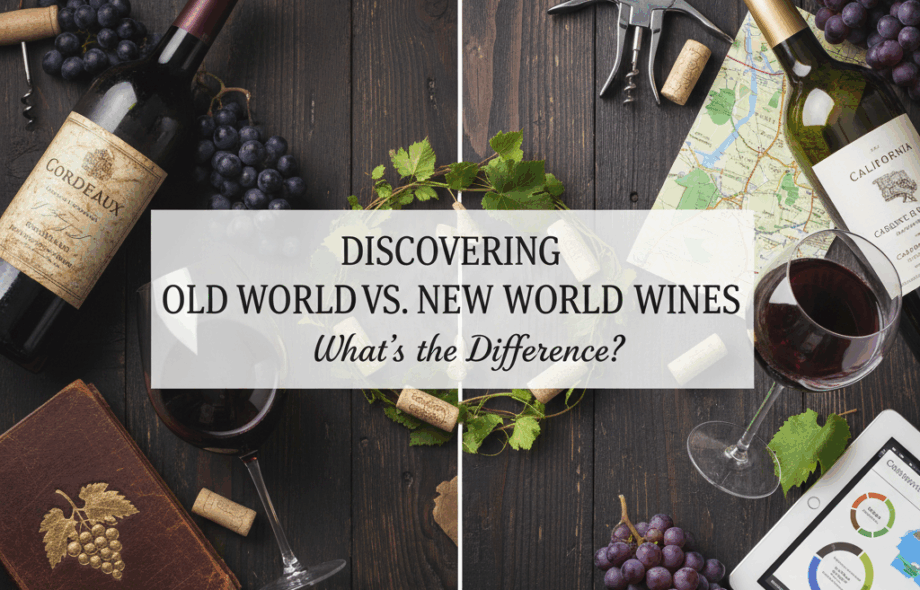
The world of wine is vast and diverse, offering a range of flavors, styles, and traditions. One of the most important distinctions that wine enthusiasts often encounter is the difference between Old World and New World wines. While both categories produce exceptional wines, they are rooted in distinct winemaking traditions and regions that influence their characteristics and flavors. Let’s explore the key differences between Old World and New World wines and what makes them unique.
1. Understanding Old World Wines
Old World wines refer to wines that come from regions with long-established winemaking traditions, dating back centuries. These wines typically come from Europe and have a more traditional, terroir-driven approach to winemaking.
Key Characteristics of Old World Wines
- Terroir-Driven: Old World wines are heavily influenced by their environment, including soil, climate, and the surrounding landscape. The concept of “terroir” is at the heart of Old World winemaking, and wines are often crafted to reflect the characteristics of the region where the grapes are grown.
- Higher Acidity: Old World wines generally have higher acidity, which contributes to their fresher, lighter taste. This acidity helps the wine pair well with food, especially dishes like seafood, pasta, and cheese.
- Subtle Flavors: Old World wines tend to have more subtle and nuanced flavors. They are often described as being “elegant,” with earthy, mineral, and sometimes floral notes. The focus is less on fruit and more on the complexity of the wine’s structure.
- Restrained Alcohol Levels: Typically, Old World wines have lower alcohol content, making them more balanced and food-friendly.
Famous Old World Wine Regions
- France: The most famous Old World wine region, with renowned areas like Bordeaux, Burgundy, and Champagne.
- Italy: Known for wines from regions such as Tuscany (Chianti), Piedmont (Barolo), and Veneto (Amarone).
- Spain: Home to iconic wines like Rioja, Ribera del Duero, and Sherry.
- Germany: Famous for Riesling and other wines from the Mosel and Rhine regions.
- Portugal: Known for Port and Vinho Verde, among others.
2. Understanding New World Wines
New World wines come from regions outside Europe, many of which started making wine relatively recently compared to the Old World. These wines are often associated with countries like the United States, Australia, Chile, Argentina, South Africa, and New Zealand.
Key Characteristics of New World Wines
- Fruit-Forward Flavors: New World wines are typically more fruit-forward, with bolder, more vibrant flavors of ripe fruits like blackberry, peach, and melon. This is due to the warmer climates and modern winemaking techniques that focus on extracting maximum flavor from the grapes.
- Lower Acidity: Compared to Old World wines, New World wines generally have lower acidity, which contributes to a smoother, rounder mouthfeel.
- Higher Alcohol Levels: New World wines often have higher alcohol content, as they are made from fully ripe grapes in warmer climates, where the sugars in the grapes are more concentrated.
- Innovative Winemaking Techniques: New World winemakers are often more experimental, using advanced technology and techniques like temperature-controlled fermentation, oak aging, and blending to create wines that are more consistent and approachable.
Famous New World Wine Regions
- United States: Particularly California (Napa Valley, Sonoma) for Cabernet Sauvignon, Chardonnay, and Pinot Noir.
- Australia: Known for Shiraz from the Barossa Valley and cool-climate Pinot Noir from regions like Tasmania.
- Chile: Famous for high-quality, affordable wines, especially Cabernet Sauvignon, Merlot, and Carmenère.
- Argentina: Renowned for Malbec, which thrives in the high-altitude regions of Mendoza.
- South Africa: Known for diverse wine styles, including Chenin Blanc, Pinotage, and Shiraz.
- New Zealand: Famous for Sauvignon Blanc from Marlborough and Pinot Noir from Central Otago.
3. Old World vs. New World: Key Differences
| Origin | European countries with a long history of winemaking (e.g., France, Italy, Spain) | Non-European countries with relatively newer winemaking traditions (e.g., USA, Australia, Chile) |
| Flavor Profile | More subtle, earthy, and mineral-driven with less emphasis on fruit | Bold, fruit-forward, and often richer, with more noticeable oak influence |
| Acidity | Higher acidity, making them fresh and crisp | Lower acidity, giving a rounder, smoother feel |
| Tannins | Softer, more integrated tannins, especially in wines like Burgundy or Barolo | More pronounced tannins, especially in wines like Cabernet Sauvignon from Napa |
| Alcohol Content | Generally lower alcohol (12-13%) | Higher alcohol (13-15% or more) |
| Terroir | Strong focus on terroir, with wines reflecting the region’s soil, climate, and traditions | More emphasis on the fruit and innovation, though terroir is still important |
| Winemaking Style | Traditional, often with minimal intervention | More experimental, with modern techniques and technology |
4. Taste and Pairing: Which One to Choose?
- Old World Wines: If you love wines that are more refined, nuanced, and complex, and you appreciate the balance between acidity, fruit, and minerality, you’ll enjoy Old World wines. They’re perfect for pairing with food because of their higher acidity and subtle flavors. Classic pairings include:
- Bordeaux with steak or lamb
- Burgundy Pinot Noir with roast chicken or salmon
- Chianti with pasta or pizza
- Champagne with oysters or caviar
- New World Wines: If you prefer wines that are bolder, fruitier, and easier to drink on their own, New World wines are for you. Their rich, fruit-forward nature makes them versatile for casual sipping or pairing with hearty foods like:
- California Cabernet Sauvignon with grilled meats or burgers
- Australian Shiraz with BBQ or grilled lamb
- Argentinian Malbec with steak or empanadas
- New Zealand Sauvignon Blanc with fresh seafood or salads
5. Conclusion: Which is Right for You?
Both Old World and New World wines offer something unique, and neither is “better” than the other-it all comes down to personal taste. If you enjoy wines with complexity, tradition, and subtlety, Old World wines will likely be your go-to. However, if you prefer bold, fruit-driven wines with a modern flair, New World wines will be more up your alley.
The world of wine is rich and diverse, and understanding the differences between Old World and New World wines is just the beginning of your wine journey. Don’t be afraid to explore both and find out which style suits your palate the best.
📥 Download Vinora – Your Companion in the World of Wine
📱 iOS:
https://apps.apple.com/in/app/vinora/id6744821564
📱 Android:
https://play.google.com/store/apps/details?id=com.vinora&hl=en_US
📸 Follow Us for Updates
Instagram:
https://www.instagram.com/vinora_official/
 :
https://in.pinterest.com/vinora_official/
:
https://in.pinterest.com/vinora_official/