
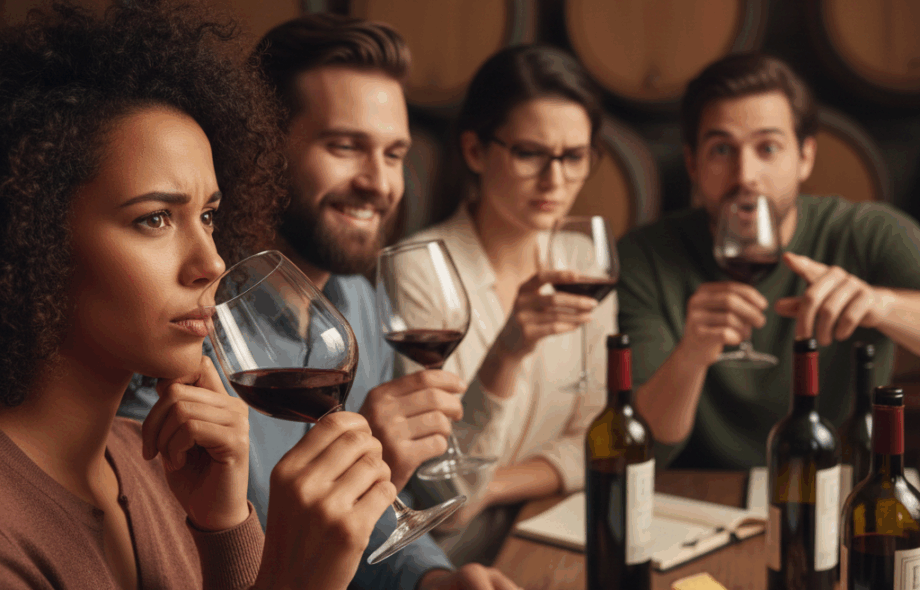
Have you ever noticed that the same wine can taste amazing to one person and disappointing to another? This difference often surprises people, especially beginners. Many assume that wine has a fixed taste and that experts are always right. In reality, wine tasting is highly personal. What you experience in a glass of wine is shaped by your senses, experiences, and even your mood.
Understanding why wine tastes different to everyone is the first step toward enjoying wine with confidence and comfort.
Taste Is Personal, Not Universal
One of the biggest myths in wine culture is that there is a “correct” way a wine should taste. While wines do have general characteristics, how they are perceived varies from person to person.
Your taste buds, sense of smell, and sensitivity to flavors are unique. Some people are more sensitive to bitterness, while others notice sweetness more easily. This is why two people can drink the same wine and describe it completely differently.
There is no right or wrong reaction to wine-only personal experience.
How Smell Shapes Taste
A large part of what we taste actually comes from smell. When you sip wine, aromas travel to your nose and influence how flavors are perceived. If your sense of smell is stronger or weaker than someone else’s, the wine may taste very different to you.
Even small things like a cold, allergies, or the environment can affect how wine smells and tastes. This explains why the same wine may feel different on different days.
Past Experiences Influence Wine Preferences
Personal experiences play a big role in wine preferences. If you associate a certain wine style with a happy memory, you may enjoy it more. On the other hand, a bad experience can make you avoid a similar wine in the future.
These emotional connections are natural and powerful. Wine is not just about flavor-it is about memory, comfort, and feeling.
Cultural and Lifestyle Differences
Culture and lifestyle also influence how wine is experienced. People who grow up enjoying certain foods may prefer wines that complement those flavors. Climate can also affect preferences, with lighter wines often preferred in warm regions and richer wines in cooler areas.
These differences shape taste over time and explain why wine preferences vary across regions and individuals.
The Role of Mood and Setting
Your mood matters more than you might think. A wine enjoyed during a relaxed evening may feel smoother and more enjoyable than the same wine tasted during a stressful moment.
The setting also plays a role. Wine often tastes better when you are comfortable and relaxed. This does not mean the wine changed-it means your experience did.
Why Expert Opinions May Not Match Your Taste
Wine experts provide useful insights, but their opinions are not universal truths. Experts have trained palates and specific preferences developed over time. Their recommendations may not align with what you enjoy.
Relying only on expert scores can sometimes disconnect you from your own taste. Wine enjoyment improves when you trust your preferences rather than chase approval.
How Taste Evolves Over Time
Wine preferences are not fixed. As you try more wines, your taste can change. A wine you disliked before may appeal to you later, and that is completely normal.
Taste evolution is part of the wine journey. Staying open allows enjoyment to grow naturally.
Learning to Trust Your Palate
The more you pay attention to what you enjoy, the easier wine selection becomes. Trusting your palate builds confidence and removes pressure.
You do not need to explain why you like a wine. Enjoyment alone is enough.
Removing Pressure from Wine Enjoyment
Many people feel pressure to like certain wines or describe them correctly. This pressure takes away enjoyment. Wine should be relaxing, not stressful.
Letting go of expectations allows you to enjoy wine as it is-personal and subjective.
Wine as a Personal Journey
Wine is not a competition or test. It is a personal journey shaped by experience, emotion, and curiosity. Every preference is valid.
Understanding that wine tastes different to everyone helps you enjoy it more freely and confidently.
Conclusion
Wine tastes different to everyone because people are different. Our senses, experiences, moods, and memories all shape how wine is perceived. There is no correct taste-only personal enjoyment.
When you stop comparing your preferences to others and start trusting your own palate, wine becomes more enjoyable. Every glass becomes an opportunity to learn, relax, and enjoy-on your own terms.
📥 Download Vinora – Your Companion in the World of Wine
📱 iOS: Vinora on iOS
📱 Android: Vinora on Android
📸 Follow Us for Updates
Instagram: @vinora_official
 :
https://uk.pinterest.com/vinora_official/
:
https://uk.pinterest.com/vinora_official/