
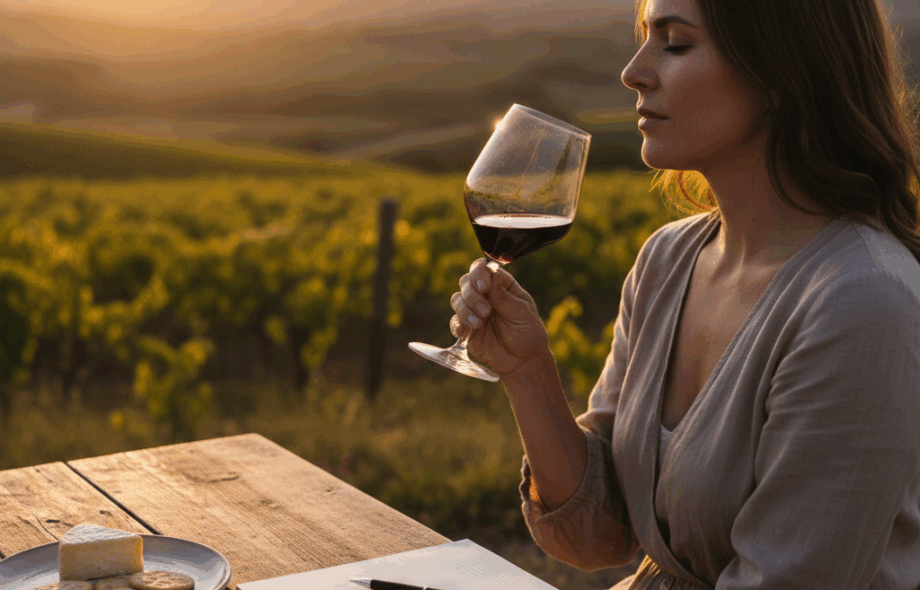
Wine is often enjoyed quickly—poured during meals, celebrations, or social moments without much thought. While there is nothing wrong with casual enjoyment, slowing down and enjoying wine mindfully can transform the experience. Mindful wine enjoyment does not require expertise or rituals. It simply means being present, relaxed, and attentive to the moment.
This guide explains how to enjoy wine mindfully so that every glass feels more meaningful and enjoyable.
What Does Mindful Wine Enjoyment Mean?
Mindful wine enjoyment is about paying attention without judgment. It means noticing how the wine looks, smells, and feels—without trying to analyze or impress anyone.
Mindfulness is not about doing things “right.” It is about being present and enjoying the experience as it unfolds.
Slowing Down the Wine Experience
Many people rush through wine, especially during busy meals or gatherings. Slowing down helps you appreciate the wine more deeply.
Take a moment before the first sip. Notice the color, gently smell the wine, and take a small sip. This pause allows you to connect with the wine rather than consuming it automatically.
Using Your Senses Naturally
Mindful wine enjoyment uses senses you already have. You do not need special skills.
- Sight: Notice the color and clarity.
- Smell: Gently observe the aroma without searching for specific notes.
- Taste: Focus on how the wine feels—smooth, fresh, light, or bold.
There is no need to name flavors. Awareness is enough.
Letting Go of Expectations
Expectations often block enjoyment. If you expect a wine to taste a certain way, you may miss what it actually offers.
Approaching wine with openness allows genuine experience. Every wine becomes an opportunity rather than a comparison.
Enjoying Wine in Comfortable Settings
Mindful enjoyment works best in comfortable environments. Home, a quiet dinner, or a relaxed gathering allows attention without pressure.
Wine enjoyed comfortably often tastes better because the mind is relaxed.
Wine and Emotion
Wine is closely connected to mood. Some wines feel comforting, others energizing or calming. Paying attention to how wine makes you feel adds depth to enjoyment.
Mindful drinking recognizes emotional response as part of the experience.
Drinking Less, Enjoying More
Mindful wine enjoyment often leads to drinking less while enjoying more. When attention increases, satisfaction comes sooner.
This approach supports balance and appreciation without excess.
Sharing Wine Mindfully
Wine is often shared. Mindful sharing means focusing on conversation, connection, and presence rather than evaluation.
Sharing impressions casually—without judgment—creates a warm and enjoyable experience.
Removing Pressure from Wine Culture
Wine culture sometimes encourages comparison and judgment. Mindful enjoyment removes this pressure.
There is no need to score, rate, or analyze. Enjoyment is the only goal.
Making Mindful Wine a Habit
Mindful enjoyment does not require special occasions. It can become part of everyday life.
Even one mindful glass a week can change how you experience wine.
Wine as a Moment of Pause
In busy lives, wine can become a moment of pause—a chance to slow down and enjoy the present.
Mindful wine enjoyment turns a simple drink into a moment of calm.
Conclusion
Wine becomes more meaningful when enjoyed mindfully. By slowing down, using your senses naturally, and letting go of expectations, every glass feels richer and more enjoyable.
Mindful wine enjoyment is not about expertise—it is about presence. When wine is enjoyed with attention and ease, it becomes more than a drink. It becomes a moment worth savoring.
📥 Download Vinora – Your Companion in the World of Wine
📱 iOS: Vinora on iOS
📱 Android: Vinora on Android
📸 Follow Us for Updates
Instagram: @vinora_official
 :
https://in.pinterest.com/vinora_official/
:
https://in.pinterest.com/vinora_official/