
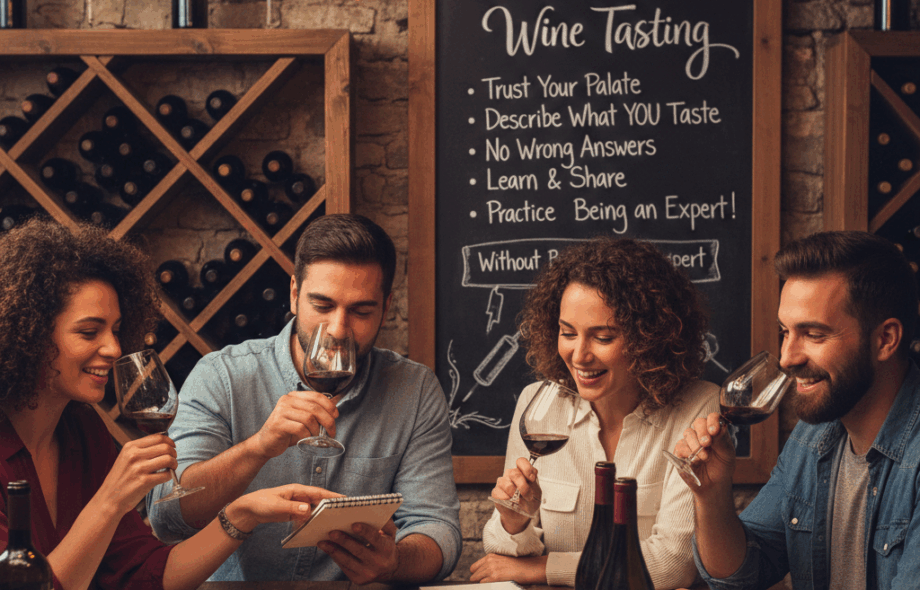
Wine tasting often feels like something only experts can do. People imagine formal settings, special glasses, and complex vocabulary. This perception makes many wine lovers feel uncomfortable or unsure when tasting wine. The truth is, wine tasting is simply about paying attention to your senses and enjoying the experience. You do not need training or special knowledge to taste wine confidently.
This guide explains how anyone can build confidence in wine tasting using simple, natural steps.
Wine Tasting Is About Enjoyment, Not Judgment
The biggest misunderstanding about wine tasting is the idea that there are right or wrong answers. In reality, wine tasting is personal. What you taste and enjoy may be different from someone else, and that is completely fine.
Wine tasting should help you understand what you like, not impress others. Removing the fear of judgment is the first step toward confidence.
Start with Your Senses
Wine tasting uses basic senses you already use every day—sight, smell, and taste. You do not need to analyze deeply. Simply notice what you experience.
Look at the wine’s color. Smell it gently. Take a sip and notice how it feels. These small observations help you connect with the wine naturally.
Describing Wine in Your Own Words
Many people avoid wine tasting because they think they need special vocabulary. You do not. Describing wine in your own words is perfectly acceptable.
You might notice a wine feels fresh, smooth, bold, light, or comforting. These descriptions are just as valid as technical terms. The goal is understanding, not precision.
Focus on How the Wine Makes You Feel
Instead of trying to identify specific flavors, focus on how the wine feels overall. Does it feel refreshing or heavy? Easy to drink or intense? Relaxing or energizing?
These impressions are easier to recognize and more useful than technical details.
Comparing Wines Helps Learning
One of the easiest ways to learn wine tasting is by comparison. Trying two different wines side by side helps you notice differences more clearly.
Comparison builds awareness quickly and makes tasting more engaging. You do not need many wines—just paying attention makes the difference.
Letting Go of Expectations
Expectations can interfere with enjoyment. If you expect a wine to taste a certain way, you may miss what it actually offers.
Approaching each wine with an open mind allows genuine experience. This openness builds confidence over time.
Tasting Wine in Comfortable Settings
Wine tasting does not need a formal setting. Tasting at home, during meals, or with friends often feels more relaxed.
Comfortable environments help you focus on enjoyment rather than performance.
Learning from Experience, Not Theory
Wine tasting skills develop through experience. Each wine teaches something new. Over time, patterns appear, and confidence grows naturally.
There is no need to rush or memorize information. Experience is the best teacher.
Accepting That Taste Changes
Your taste may change over time, and that is normal. A wine you did not enjoy before may appeal to you later. Accepting this flexibility helps you enjoy tasting without pressure.
Wine tasting is a journey, not a test.
Using Wine Tasting to Build Confidence
As you taste more wines, you begin to trust your senses. Decisions become easier, and enjoyment increases. Confidence grows quietly and naturally.
Wine tasting becomes a moment of connection rather than evaluation.
Conclusion
You do not need to be an expert to taste wine confidently. By focusing on enjoyment, using your senses, and trusting your impressions, wine tasting becomes simple and rewarding.
Wine tasting is about understanding yourself, not meeting standards. When approached with curiosity and ease, every glass becomes an opportunity to enjoy and learn—without pressure or fear.
📥 Download Vinora – Your Companion in the World of Wine
📱 iOS: Vinora on iOS
📱 Android: Vinora on Android
📸 Follow Us for Updates
Instagram: @vinora_official
 :
https://in.pinterest.com/vinora_official/
:
https://in.pinterest.com/vinora_official/