
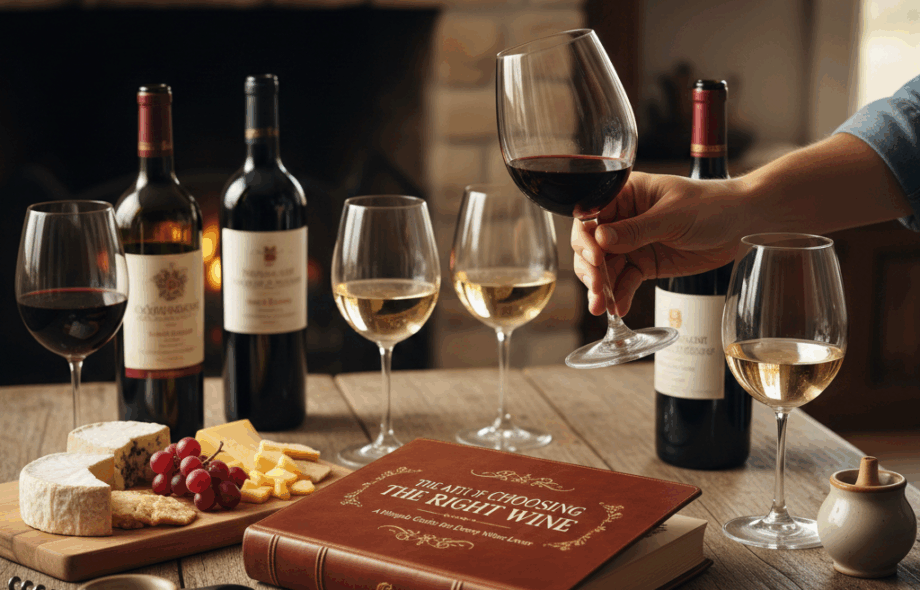
Wine has been enjoyed for centuries, yet choosing the right bottle still feels confusing for many people. With endless varieties, regions, and styles available today, wine selection can feel overwhelming rather than enjoyable. The good news is that choosing wine does not require expert knowledge or complicated rules. With a basic understanding and a relaxed mindset, anyone can enjoy wine confidently.
This guide is designed to help wine lovers understand how to choose the right wine based on taste, occasion, and comfort—not pressure or perfection.
Understanding Wine Beyond Labels
Wine labels often include information that feels technical or unclear. Names of regions, grape varieties, and unfamiliar terms can discourage beginners. Instead of focusing on everything written on the label, it helps to think about wine in simple categories.
Wine generally falls into a few main styles—light, medium, or bold; dry or sweet; still or sparkling. Understanding these broad categories is often more helpful than memorizing wine terminology.
When choosing wine, ask simple questions:
Do I want something light and refreshing, or rich and bold?
Am I drinking this alone, with food, or with others?
These questions guide better choices than labels alone.
Knowing Your Personal Taste
Wine enjoyment is deeply personal. There is no universal “best wine.” What matters most is what you enjoy. Some people prefer crisp whites, others enjoy smooth reds, and some love sparkling wines for almost any occasion.
To understand your taste, reflect on past wine experiences. Think about wines you enjoyed and those you did not. Over time, patterns appear. You may notice you enjoy fruity wines more than dry ones or prefer lighter styles over heavy wines.
Trusting personal taste builds confidence and removes the fear of choosing incorrectly.
Wine for Different Occasions
Wine choices often depend on the moment. A casual evening at home does not require the same wine as a celebration or formal dinner. Understanding this helps simplify decisions.
For relaxed evenings, easy-drinking wines work well. For meals, wines that complement food enhance the experience. For celebrations, sparkling wines add excitement and joy.
Matching wine to the occasion—not the price or reputation—creates a more enjoyable experience.
The Role of Food in Wine Selection
Food and wine often go hand in hand, but pairing does not need to be complicated. The goal is balance, not perfection. Wines should complement food, not overpower it.
Light foods usually pair well with lighter wines, while richer dishes suit fuller wines. However, personal preference always comes first. If you enjoy a certain pairing, that choice is valid.
Simple pairing principles are enough to enjoy wine with food confidently.
Exploring New Wines Without Fear
Many people stick to familiar wines because trying something new feels risky. However, exploration is part of wine’s enjoyment. The key is to explore gradually.
Trying wines similar to those you already enjoy is a safe way to discover new favorites. Over time, confidence grows, and curiosity expands naturally.
Wine discovery should feel exciting, not stressful.
Price Does Not Define Quality
A common misconception is that expensive wine is always better. In reality, enjoyment does not depend on price. Many affordable wines offer excellent quality and flavor.
Choosing wine based on taste rather than price leads to more satisfying experiences. Wine is about enjoyment, not status.
Removing Pressure from Wine Culture
Wine culture often carries unnecessary pressure—using the right terms, choosing the right bottle, or following rules. This pressure takes away enjoyment.
Wine is meant to be enjoyed, not judged. There are no wrong choices, only personal preferences. Letting go of pressure allows wine to become a source of relaxation and pleasure.
Building Confidence Over Time
Confidence with wine comes through experience. Each bottle teaches something new. Over time, choices become easier, and enjoyment increases.
Patience and curiosity are the best tools for any wine lover.
Wine as a Personal Experience
Wine connects people, moments, and memories. It should feel personal and meaningful. Whether enjoyed alone or shared, wine adds depth to everyday life.
Choosing wine should feel natural and comfortable, not complicated.
Conclusion
Choosing the right wine does not require expertise or strict rules. By understanding personal taste, considering the occasion, and removing pressure, wine selection becomes simple and enjoyable.
Wine is not about perfection—it is about pleasure. When approached with curiosity and confidence, every bottle becomes an opportunity to enjoy and learn.
📥 Download Vinora – Your Companion in the World of Wine
📱 iOS: Vinora on iOS
📱 Android: Vinora on Android
📸 Follow Us for Updates
Instagram: @vinora_official
 :
https://in.pinterest.com/vinora_official/
:
https://in.pinterest.com/vinora_official/